Electromechanical Contracting
Integrated MEP Solutions from One Engineering Partner
Electromechanical systems are the infrastructure that keeps a building operational.
ERATEC provides end-to-end MEP contracting solutions covering mechanical, electrical and plumbing systems, with every discipline coordinated as part of one integrated project.
From engineering and technical coordination to installation, testing and commissioning, our teams deliver electromechanical systems designed around the building’s actual requirements.
Complete Electromechanical Contracting
Managing multiple electromechanical disciplines requires more than executing each system separately.
Electrical networks, HVAC, plumbing, fire-fighting and low-current systems share the same building infrastructure and often compete for the same spaces.
ERATEC brings these disciplines together under one coordinated engineering and execution process to reduce conflicts and support efficient project delivery.
Our scope includes:
HVAC Systems
Electrical Power Distribution
Low-Current Systems
Fire-Fighting Systems
Plumbing Systems
MEP Integration & Coordination
HVAC Systems
HVAC is one of the most technically demanding elements of any MEP project.
ERATEC provides HVAC engineering and execution according to project requirements, from equipment selection and distribution networks to installation and system integration.
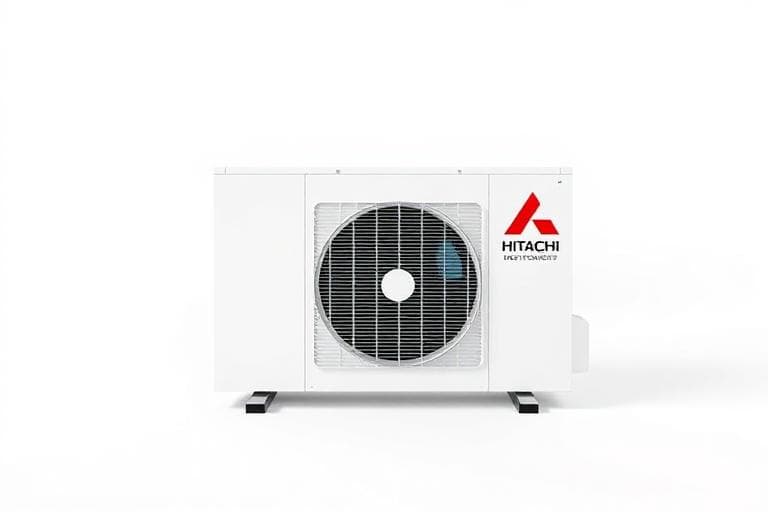
Our HVAC capabilities include VRF systems, Central HVAC solutions and the associated mechanical infrastructure required for complete system operation.
Electrical Power Distribution
Reliable electrical infrastructure starts with correct engineering and coordinated execution.
ERATEC delivers electrical power distribution systems designed to support the operational requirements of the building and its equipment.
The electrical scope is coordinated with the remaining MEP disciplines to ensure that power requirements, equipment locations and service routes are considered throughout execution.
Low-Current Systems
Modern buildings depend on more than power infrastructure.
Low-current systems form an essential part of building operation, communication, monitoring and control.
ERATEC integrates low-current infrastructure within the overall MEP scope, ensuring that its installation is coordinated with electrical, mechanical and architectural requirements.
Fire-Fighting Systems
Fire-fighting infrastructure requires precise engineering, correct installation and careful coordination with the building’s other systems.
ERATEC executes fire-fighting systems as part of the complete electromechanical scope, coordinating equipment and networks with HVAC, electrical and plumbing installations throughout the project.
Plumbing Systems
A reliable plumbing network depends on correct routing, installation and coordination from the beginning.
ERATEC provides plumbing works integrated with the complete MEP infrastructure, helping ensure that water and drainage networks are properly coordinated with the building layout and other engineering systems.
MEP Integration
The real challenge in electromechanical contracting is not simply installing each system.
It is making all systems work together.
HVAC ducts, electrical trays, piping, fire-fighting networks and other services often need to pass through the same technical spaces.
Without effective coordination, clashes can lead to modifications, delays and additional costs during execution.
ERATEC approaches MEP contracting as one coordinated system, helping identify and resolve integration requirements before they become site problems.
Engineering Before Execution
Successful MEP execution starts before installation begins.
ERATEC’s engineering approach considers the technical requirements of every discipline while maintaining coordination with architectural and structural elements.
Technical Review
Reviewing project requirements, drawings and system specifications before execution.
MEP Coordination
Coordinating mechanical, electrical and plumbing systems to reduce conflicts between different services.
System Integration
Ensuring that individual systems are planned as parts of one complete building infrastructure.
Execution Planning
Organizing installation requirements according to project priorities, site conditions and engineering dependencies.
From Drawings to Site Execution
A technically correct design still requires accurate implementation.
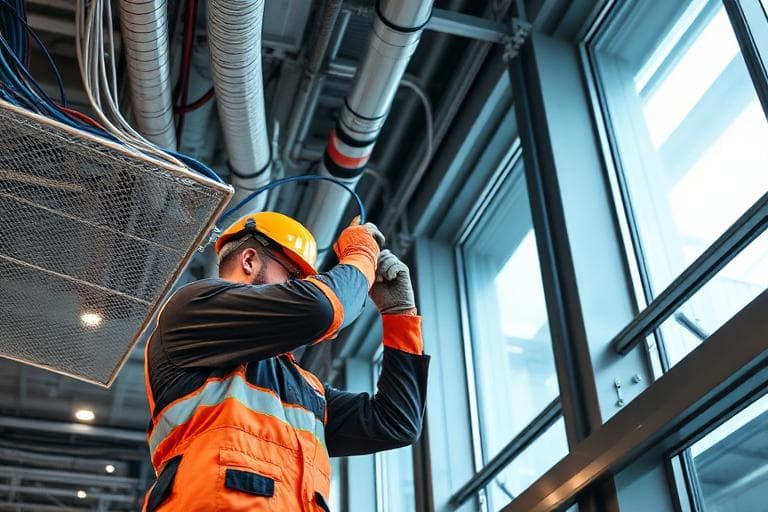
ERATEC combines certified engineers with skilled technicians to translate approved engineering requirements into properly executed systems on site.
Installation is carried out with continuous technical coordination between disciplines, helping maintain consistency between the approved design and actual site conditions.
Testing & Commissioning
Installation is not the final stage of an MEP project.
Before handover, electromechanical systems need to be tested and commissioned to verify that they operate according to their intended requirements.
ERATEC supports testing and commissioning across the executed scope, helping ensure that systems are ready for operation before project handover.
Built for Different Project Requirements
ERATEC’s electromechanical contracting capabilities can support a wide range of applications.
Commercial Buildings
Integrated MEP infrastructure for offices, administrative buildings and commercial developments.
Residential Developments
Coordinated mechanical and electrical systems designed around residential building requirements.
Industrial Facilities
Electromechanical solutions for facilities with demanding operational and technical requirements.
Hospitality Projects
Integrated building services for spaces with multiple functions and continuous operational requirements.
Specialized Facilities
Engineering-driven MEP execution for projects where system coordination, reliability and technical accuracy are critical.
One Team. Multiple Disciplines.
Working with separate contractors for every electromechanical discipline can create coordination gaps between systems.
ERATEC provides an integrated approach where HVAC, electrical, plumbing, fire-fighting and low-current works are managed within one coordinated engineering framework.
The result is clearer responsibility, stronger coordination and a more controlled path from engineering to execution.
Engineering. Execution. Integration.
ERATEC combines technical expertise with on-site execution to deliver electromechanical systems that work together as one complete infrastructure.
From the first technical review to testing and commissioning, every stage is approached with the same objective: coordinated systems, reliable execution and long-term operational performance.
Planning an MEP Project?
Work with an engineering partner that understands the complete system, not only individual components.